




Britain and the Transatlantic Slave Trade
Introduction
This sections contains a number of essays on Britain and its connections with slavery and the slave trade as well as pen portraits on those who benefitted from or who were victims of the slave trade.
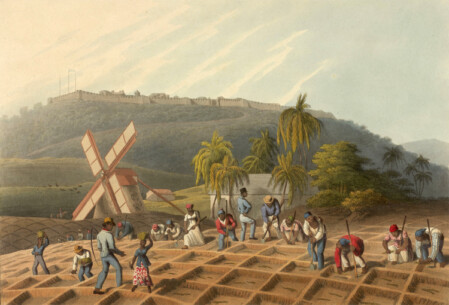
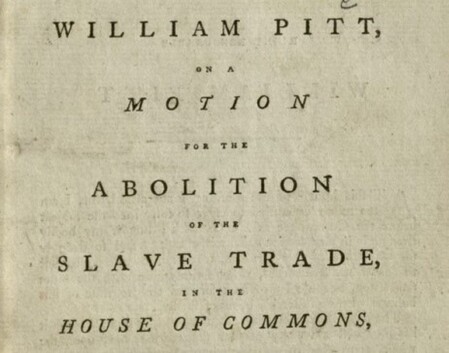
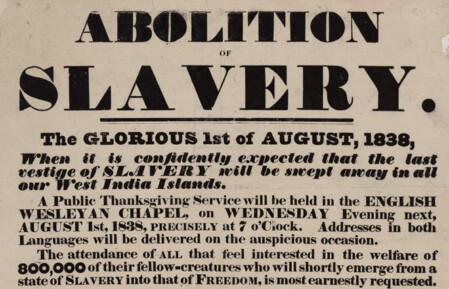
A c19th defender of the British Empire would claim that it was different from all other empires because the British Empire was an empire of freedom, both commercial and political, and an empire in which the British sought to improve the quality of civilisation for its inhabitants. Such a claim would not have been possible without the abolition of the slave trade and slavery, which according to its defenders gave Britain the moral authority to ‘civilise’ its territories. To support the claim that the empire was based on an ideology of developing commerce, civilisation and Christianity, historians for over a hundred years following the abolition of slavery in 1833 explained the abolition of slavery as being the result of the campaign organised by Thomas Clarkson and others. That view said little about Britain’s role in expanding the slave trade in the c18th and the brutality of that trade. Kevin Shellington wrote in History Today March 2007, that ‘a historical narrative developed that glossed over Britain’s determining role in the growth of the slave trade during the seventeenth and eighteenth centuries, and focused instead on the campaign to eradicate the trade and the British as the great emancipators of the age.’ Read On
Key Questions

Conflict

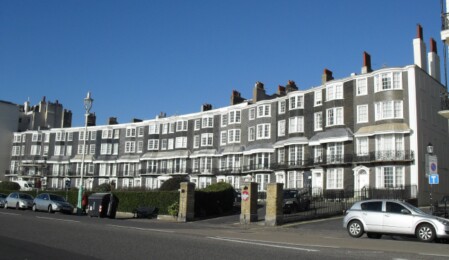
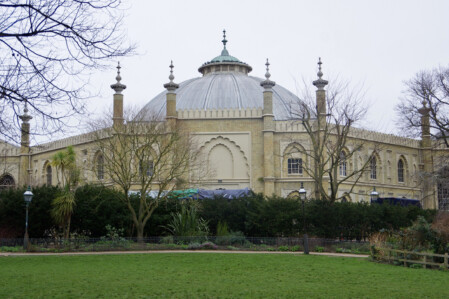
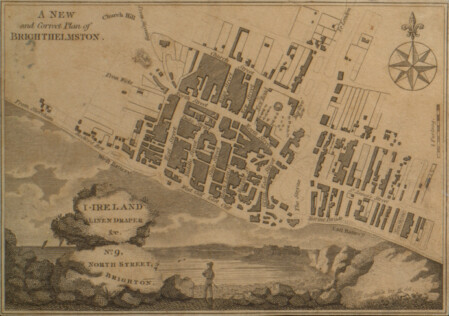
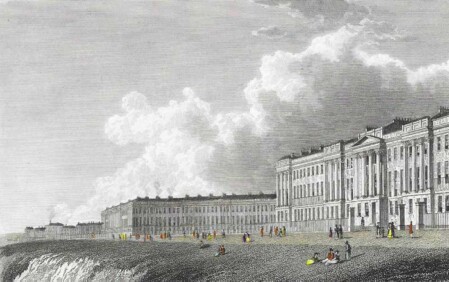
Was Georgian Brighton built on the Slave Trade?
A Paper produced in response to Council and Universty claims

People linked to Brighton
Links